Small library

Welcome to this little library!
This is a small space where some of the books I’ve read will be displayed ;)
★★★★★
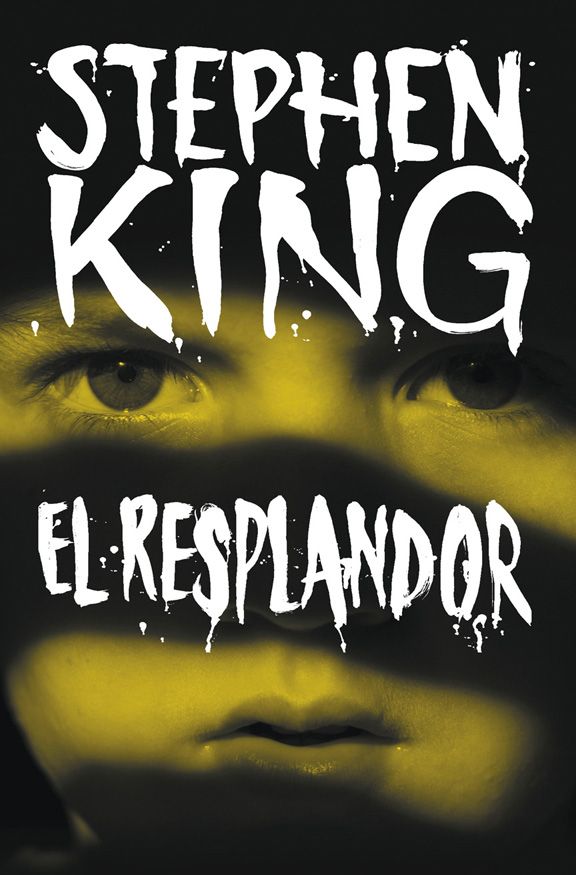
This book is incredible, and I would read it many more times. I love how deeply it delves into Jack Torrance's past, you really get to understand why he descends into madness. Wendy is also a much more important character in the book than in the movie; she's truly able to stand up to Jack when she needs to, and she has a compelling backstory that explains why she gave him a second chance. The book does a great job of explaining the situation they're in at the hotel and the reasons why they can't leave. I should add that the chapter describing all the hotel's merchandise was a bit tedious to read.
This book is incredible, and I would read it many more times. I love how deeply it delves into Jack Torrance's past, you really get to understand why he descends into madness. Wendy is also a much more important character in the book than in the movie; she's truly able to stand up to Jack when she needs to, and she has a compelling backstory that explains why she gave him a second chance. The book does a great job of explaining the situation they're in at the hotel and the reasons why they can't leave. I should add that the chapter describing all the hotel's merchandise was a bit tedious to read.
★★★★★
This is the first and only book of short stories I've read by Stephen King, and I have to say it's very good. All the stories are captivating and fun to read. They also cover a wide range of themes, some are scary, and others might even evoke sadness.
This is the first and only book of short stories I've read by Stephen King, and I have to say it's very good. All the stories are captivating and fun to read. They also cover a wide range of themes, some are scary, and others might even evoke sadness.
★★★★☆
The story is excellent, and every character (even the most insignificant) becomes important at some point. The protagonist undergoes significant development throughout the story, changing his behavior and goals after experiencing the horrors of the institution and meeting the children there. I really liked the town lady; her character strikes a good balance between humor and seriousness, becoming more relevant toward the end. It's definitely a quick read, despite being a relatively long book.
The story is excellent, and every character (even the most insignificant) becomes important at some point. The protagonist undergoes significant development throughout the story, changing his behavior and goals after experiencing the horrors of the institution and meeting the children there. I really liked the town lady; her character strikes a good balance between humor and seriousness, becoming more relevant toward the end. It's definitely a quick read, despite being a relatively long book.
★★★★☆
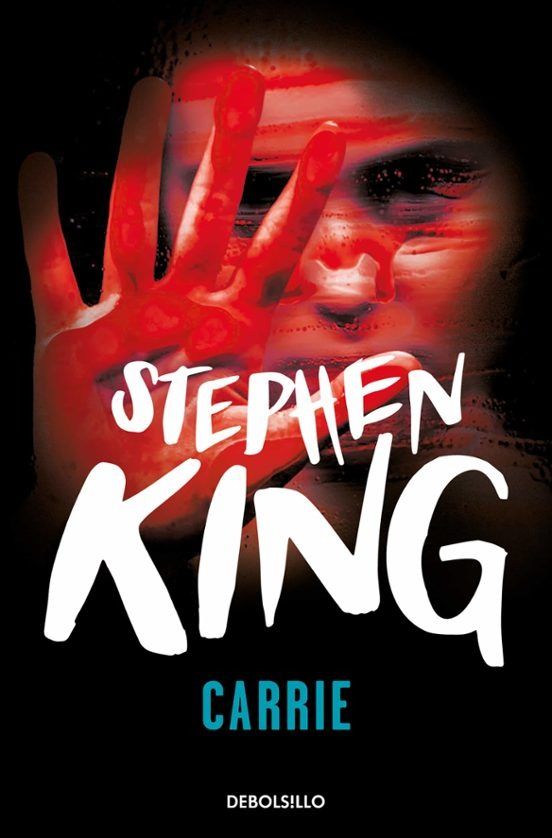
I liked it, but I felt the pacing was a bit slow. It's written in a way that mixes the present with articles from the past or future (after the catastrophe), which made it feel a little slow at times. However, it also helps you better understand what's happening in the story. Once again, the book is much better than the movie (at least better than the first one), as it delves much deeper into the characters and provides a clearer understanding of what Carrie is going through and what she's thinking, making the ending feel much more justified. I love how her anger is reflected in her lack of control over her psychic powers.
I liked it, but I felt the pacing was a bit slow. It's written in a way that mixes the present with articles from the past or future (after the catastrophe), which made it feel a little slow at times. However, it also helps you better understand what's happening in the story. Once again, the book is much better than the movie (at least better than the first one), as it delves much deeper into the characters and provides a clearer understanding of what Carrie is going through and what she's thinking, making the ending feel much more justified. I love how her anger is reflected in her lack of control over her psychic powers.
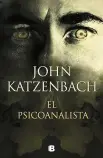
★★★★☆
It's fantastic, a thriller with a very interesting premise. The fact that it's an ordinary person being pursued by someone from their past makes it all the more intriguing. The characters are charismatic and entertaining; they all have their own quirks and manage to outwit the protagonist. Nothing more to say, I read it years ago because I received it as a gift for my 15th birthday, but I remember it being cool!
It's fantastic, a thriller with a very interesting premise. The fact that it's an ordinary person being pursued by someone from their past makes it all the more intriguing. The characters are charismatic and entertaining; they all have their own quirks and manage to outwit the protagonist. Nothing more to say, I read it years ago because I received it as a gift for my 15th birthday, but I remember it being cool!
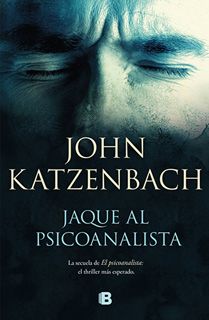
★★★★☆
It's definitely a good sequel, although I think I was expecting a bit of a plot twist from the start. The best character in the whole book has to be the wealthy old lady who doesn't know what to do with her money.
It's definitely a good sequel, although I think I was expecting a bit of a plot twist from the start. The best character in the whole book has to be the wealthy old lady who doesn't know what to do with her money.
...
...
★★★★★
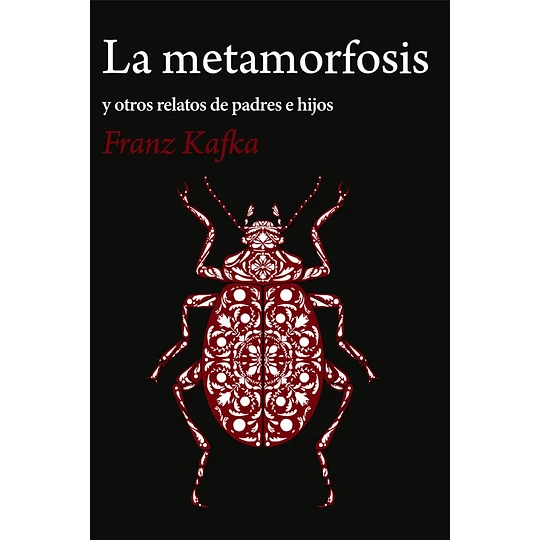
*The Metamorphosis* is one of the best books I have ever read. It brilliantly portrays how society rejects and discards an individual who is no longer useful—for various reasons. It is a magnificent critique of the monotony of productivity and how deeply we are trapped in that cycle by the capitalist system we live in. The book also contains other stories (all very good, though some were unfinished and I didn't fully grasp them). Among these other tales, the one that struck me the most was "Letter to His Father"; it perfectly describes what Kafka was going through, while also providing context that helps one better understand *The Metamorphosis*.
*The Metamorphosis* is one of the best books I have ever read. It brilliantly portrays how society rejects and discards an individual who is no longer useful—for various reasons. It is a magnificent critique of the monotony of productivity and how deeply we are trapped in that cycle by the capitalist system we live in. The book also contains other stories (all very good, though some were unfinished and I didn't fully grasp them). Among these other tales, the one that struck me the most was "Letter to His Father"; it perfectly describes what Kafka was going through, while also providing context that helps one better understand *The Metamorphosis*.
...
...
...
...
....
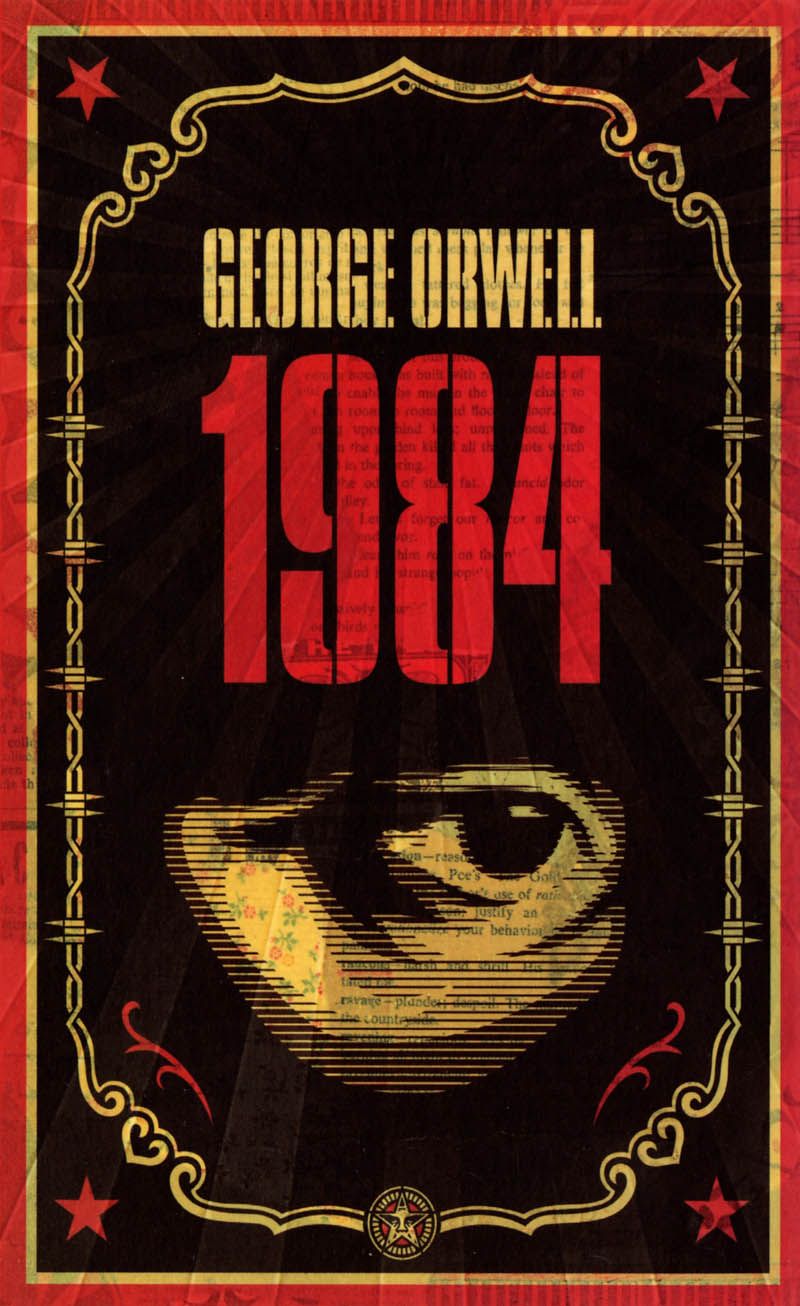
It effectively portrays the workings of a totalitarian regime, in which the government operates as an omnipresent entity controlling the lives of both the proles and Party members. Many of the scenarios depicted can be linked to real-world reality. The analogy involving "2 + 2 = 4" is particularly significant, as it constantly calls into question the Party's alteration of reality to suit its own ends and the manipulation it exerts over the minds of its followers.
Ultimately, the Party triumphs over Winston—an outcome I find disheartening, yet entirely realistic given the limited options available to the protagonist.
“How many fingers are here, Winston?” “Four.” “And what if the Party says there aren't four, but five? Then how many fingers are there?” “Four.” “How can I avoid seeing what is right before my eyes unless I close them? Two plus two is four.”
...
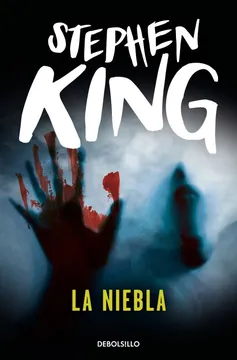
...
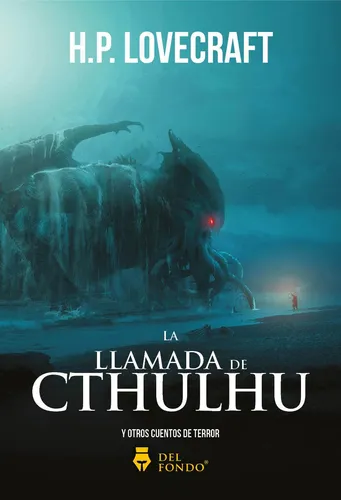
...
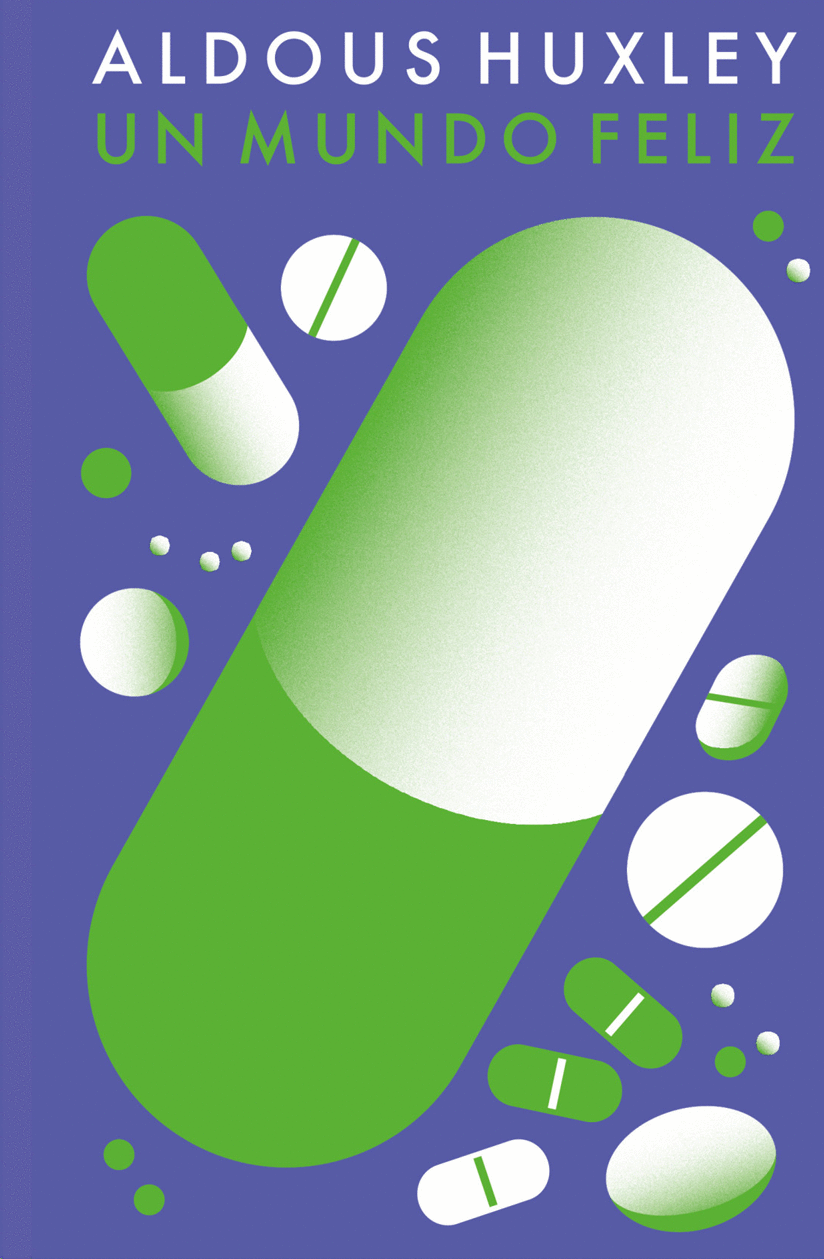
Unlike *1984*, Huxley presents a dystopia where society is not consciously enslaved; instead, individuals are conditioned from birth to belong to a specific social group and—crucially—to feel satisfied with that status. Furthermore, this "civilization" is built upon a mass-production system in which humans are created from artificial ova, resulting in standardized products. The depiction of conditioning in the book is fascinating, as it serves as the mechanism by which those in power control society. There is also a drug called Soma, used frequently to induce instant happiness and stave off negative emotions; in my view, this is because feelings of loneliness, anger, or sadness prompt people to question things—precisely what the State in this dystopia seeks to avoid. Soma need not be represented as a literal drug today; it could be something far simpler, such as social media, which often keeps us from questioning the world around us and draws us into a system of constant stimulation. "We prefer to do things comfortably." — "Well, I don't want comfort. I want God, I want poetry, real danger, freedom, goodness, sin."
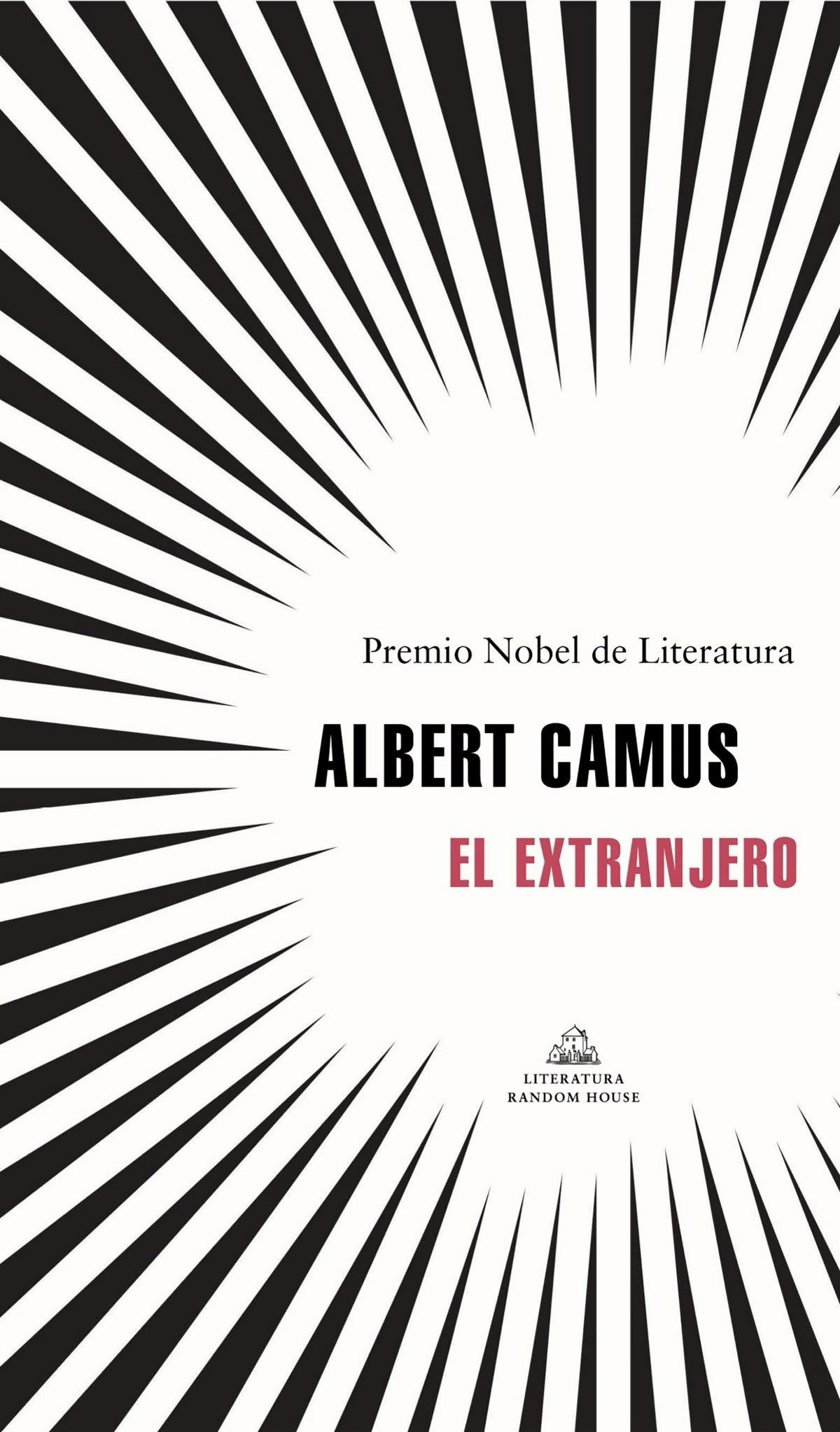
...
...
please be quiet...

fuuu fuuu

bup bup

Books to be read
Pusheens found: 0/8